Tel: +255 718 941 068

Tanzania is globally recognized as one of Africa’s leading conservation destinations. With vast wilderness areas, rich biodiversity, and world-famous safari parks, conservation in Tanzania plays a critical role not only in protecting wildlife but also in sustaining tourism, local livelihoods, and ecological balance. At Take Five Africa Adventures, based in Arusha, Tanzania, we proudly operate safaris that support responsible tourism and long-term environmental sustainability.
Tanzania has set aside approximately 30 percent of its total land area for conservation, making it one of the most conservation-committed countries in the world. From iconic national parks to community-managed wildlife areas, conservation efforts in Tanzania are designed to protect endangered species, preserve ecosystems, and empower local communities.
For travelers searching for sustainable safari experiences, eco-tourism in Tanzania, and wildlife conservation tours, Tanzania stands as a true global leader.
The History of Conservation In Tanzania
Conservation in Tanzania dates back to the colonial era, but it gained stronger national direction after independence in 1961. The establishment of protected areas such as:
marked a turning point in structured wildlife protection.
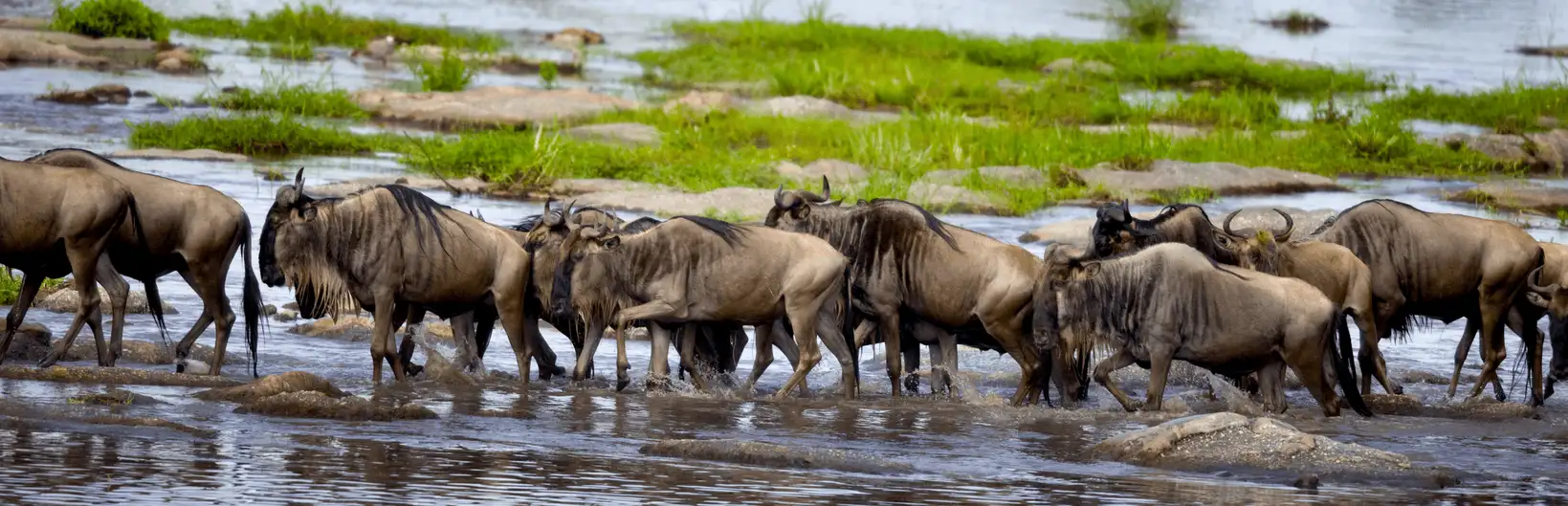
The Ngorongoro Conservation Area became a multiple land-use model where humans and wildlife coexist, while Serengeti National Park became internationally famous for protecting the Great Wildebeest Migration.
Over time, conservation policies evolved to include:
Today, Tanzania continues to balance wildlife protection with socio-economic development.
Protected Areas and Conservation Zones In Tanzania
Tanzania’s conservation system includes different categories of protected land:
National Parks
Managed by Tanzania National Parks Authority, these areas focus on wildlife protection and tourism.
Key features of National Parks:
Conservation Areas
The most famous example is Ngorongoro Conservation Area, where wildlife and Maasai communities coexist. This model supports:
Game Reserves
Nyerere National Park (formerly Selous Game Reserve) is one of Africa’s largest protected wilderness areas. Game reserves may allow controlled hunting tourism under strict regulation.
Wildlife Management Areas
Community-run areas that empower villages to manage wildlife resources and benefit from tourism.
Benefits include:
Biodiversity and Wildlife Conservation In Tanzania
Tanzania hosts some of the most diverse ecosystems in Africa.
Major ecosystems include:
Iconic species protected through conservation efforts:
The Great Migration in Serengeti National Park is one of the most remarkable conservation success stories, protecting over 1.5 million wildebeest and hundreds of thousands of zebras.
Anti Poaching and Wildlife Protection Efforts
Tanzania has significantly strengthened anti-poaching operations over the past decade.
Key conservation strategies include:
The elephant population, once severely threatened by ivory poaching, has shown recovery due to intensified protection efforts.
Tourism revenue plays a major role in funding:
At Take Five Africa Adventures, we directly contribute to conservation by working only with licensed parks and paying official conservation fees.
Community Based Conservation In Tanzania
Sustainable conservation cannot succeed without local community involvement.
Community-based conservation programs focus on:
Maasai communities around Ngorongoro Conservation Area are an example of how traditional lifestyles can coexist with wildlife conservation.
Positive impacts include:
Responsible safari companies ensure tourism benefits flow back to the communities.
Marine Conservation In Tanzania
Tanzania’s conservation efforts extend to the Indian Ocean coastline and islands.
Important marine conservation areas include:
Marine conservation focuses on:
Eco-tourism activities such as snorkeling and diving are carefully regulated to protect fragile marine ecosystems.
The Role of Sustainable Tourism In Conservation
Tourism is one of Tanzania’s largest economic sectors and a major driver of conservation funding.
Sustainable safari tourism helps by:
At Take Five Africa Adventures, we promote:
Travelers searching for eco safaris in Tanzania or responsible tourism experiences can directly support conservation by choosing ethical tour operators.
Challenges Facing Conservation In Tanzania
Despite its success, conservation in Tanzania faces ongoing challenges:
Addressing these challenges requires:
Why Conservation Matters For Your Tanzania Safari
When you visit Tanzania, you are not only enjoying a safari experience but also contributing to one of the largest conservation networks in the world.
Your park fees help:
Choosing a conservation-focused safari ensures your journey leaves a positive impact.
Experience Conservation With Take Five Africa Adventures
As a locally owned safari company based in Arusha, Tanzania, Take Five Africa Adventures is committed to responsible travel and wildlife protection. Our safaris are designed to:
When you travel with us, you become part of Tanzania’s conservation success story.
Discover sustainable safaris, wildlife conservation tours, and eco-tourism experiences in Tanzania with Take Five Africa Adventures. Together, we protect nature while creating unforgettable African adventures.


Tel: +255 718 941 068
info@takefiveafricaadventures.com
sales@takefiveafricaadventures.com