Tel: +255 718 941 068

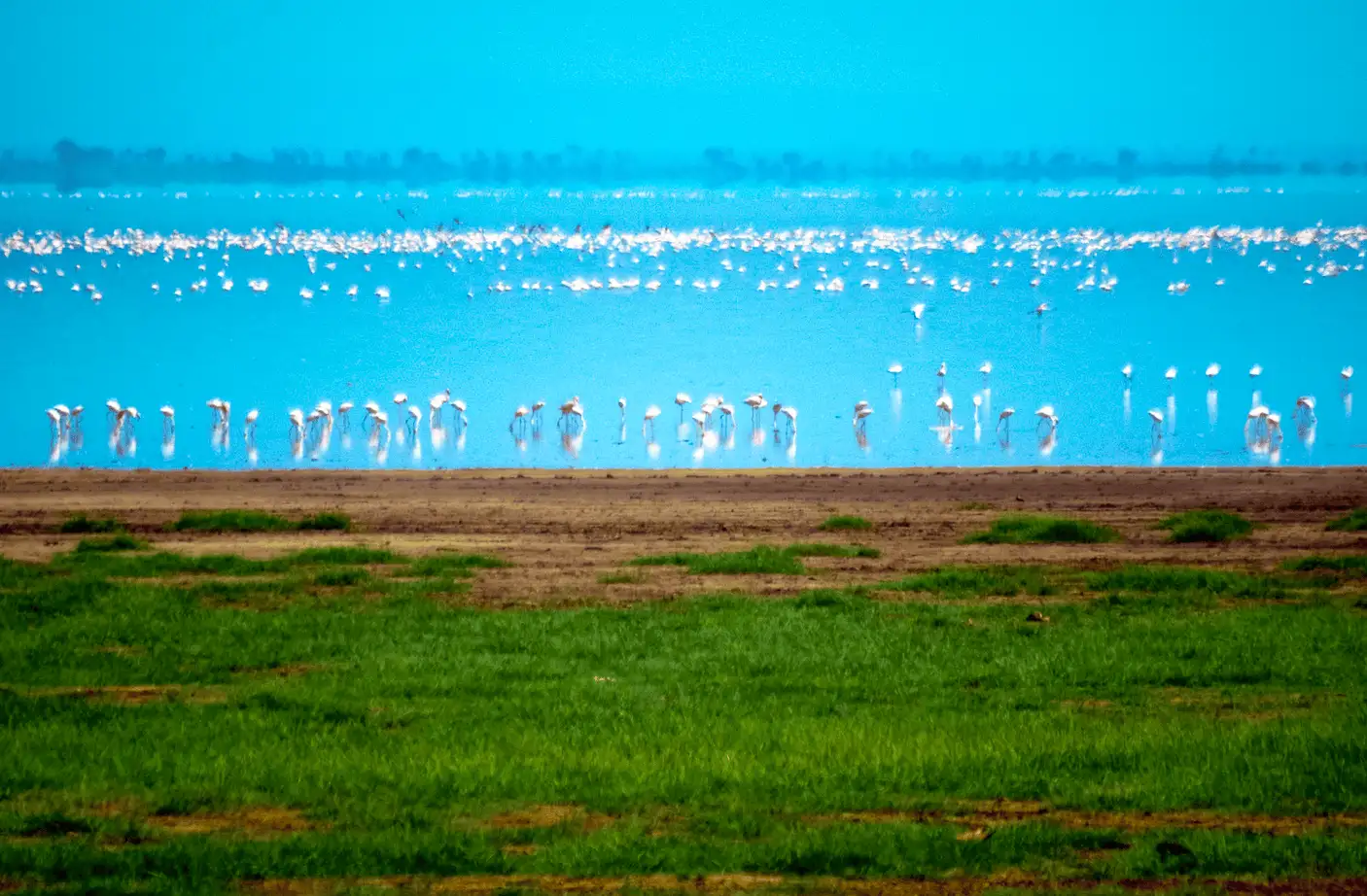
Welcome to Lake Manyara National Park, one of the most scenic and diverse wildlife destinations in northern Tanzania. At Take Five Africa Adventures, based in Arusha Tanzania, we proudly introduce travelers to this breathtaking park known for its tree climbing lions, flamingo filled lake, and dramatic landscapes beneath the Great Rift Valley escarpment.
If you are planning a Tanzania safari and searching for a park that offers exceptional biodiversity within a compact area, Lake Manyara National Park is an ideal choice. This hidden gem along the northern safari circuit delivers unforgettable wildlife viewing, bird watching, cultural encounters, and stunning photographic opportunities.
Lake Manyara is often described as one of Tanzania’s most beautiful parks due to its lush groundwater forests, expansive soda lake, and panoramic escarpment views. Despite its relatively small size, the park offers remarkable wildlife density and scenic diversity that rivals larger parks in East Africa.
History of Lake Manyara National Park
Lake Manyara National Park was officially established in 1960, originally as a game reserve before gaining full national park status. The name Manyara is derived from the Maasai word emanyara, referring to a type of euphorbia plant used to create protective enclosures around homesteads.
Historically, the area surrounding Lake Manyara has been home to indigenous communities including the Maasai and Iraqw people. The lake and surrounding ecosystems provided water, grazing land, and fertile soils that supported both wildlife and human settlements.
The Tanzanian government recognized the ecological significance of this area due to its rich wildlife populations and critical bird habitats. As a result, conservation efforts were strengthened to protect the lake ecosystem, forest zones, and wildlife corridors.
Key historical highlights include
•Established as a national park in 1960
• Originally designated as a game reserve
• Named from a Maasai word describing protective plants
• Important conservation area for birdlife and endangered species
Today, Lake Manyara National Park plays a vital role in Tanzania wildlife conservation and eco tourism development.
Park Geography and Size
Lake Manyara National Park covers approximately 330 square kilometers, making it one of the smaller national parks in northern Tanzania. However, nearly two thirds of the park is covered by the shallow alkaline Lake Manyara itself.
The park lies at the base of the Great Rift Valley escarpment, which rises dramatically along its western boundary. This geological feature creates breathtaking scenery and unique ecological zones within a short distance.
The park landscape consists of
•Groundwater forest near the entrance
• Open grasslands
• Acacia woodlands
• Swamps and hot springs
• The alkaline soda lake
This remarkable ecological diversity supports a wide variety of wildlife and bird species. The groundwater forest is fed by underground springs from the Ngorongoro Highlands, creating a lush environment filled with towering mahogany and fig trees.
The alkaline waters of Lake Manyara attract thousands of flamingos and other water birds, particularly during the wet season when water levels rise.
Wildlife in Lake Manyara National Park
Lake Manyara National Park is famous worldwide for its tree climbing lions, a rare behavioral trait not commonly seen in other African parks. These lions are often spotted resting on acacia branches, providing unique safari photography opportunities.
Wildlife highlights include
•Elephants frequently seen in forest and open plains
• Tree climbing lions
• Large troops of baboons near the park entrance
• Buffalo and giraffes
• Zebras and wildebeest
• Hippos in the Hippo Pool area
• Leopards occasionally sighted in forested areas
Although Lake Manyara is compact, it supports impressive mammal diversity. The park is also a bird watcher’s paradise, hosting more than 400 bird species.
Birdlife includes
•Pink flamingos along the lake shores
• Pelicans and storks
• African fish eagles
• Hornbills and kingfishers
• Crowned cranes
During certain seasons, the lake becomes a spectacular pink horizon due to the concentration of flamingos feeding on algae in the alkaline waters.
Best Time to Visit Lake Manyara National Park
Lake Manyara National Park is a year-round safari destination, but wildlife experiences vary by season.
Seasonal overview
•June to October offers excellent wildlife viewing due to reduced vegetation
• November to May features lush green landscapes and exceptional bird watching
• Wet season brings vibrant scenery and migratory birds
For photographers and nature lovers, the wet season provides dramatic reflections of the escarpment on the lake surface. For classic big game viewing, the dry season is often preferred.
Accessibility and Location
Lake Manyara National Park is conveniently located approximately 126 kilometers from Arusha, making it easily accessible for both day trips and extended safaris.
Access options include
•A scenic road transfer from Arusha taking about 2 to 3 hours
• Part of the northern Tanzania safari circuit
• Close proximity to Ngorongoro Conservation Area and Serengeti National Park
• Accessible from Kilimanjaro International Airport
Its strategic location makes it an ideal first or last stop on a northern Tanzania safari itinerary. Many travelers combine Lake Manyara with Tarangire National Park, Ngorongoro Crater, and Serengeti National Park.
At Take Five Africa Adventures, we organize seamless safari transfers, professional guiding services, and customized itineraries to ensure a smooth and enriching experience.
Unique Activities in Lake Manyara National Park
Lake Manyara offers more than just traditional game drives. Visitors can enjoy
•Canoeing on Lake Manyara when water levels permit
• Guided walking safaris in designated areas
• Treetop canopy walkway experience
• Cultural tours in nearby Mto wa Mbu village
The canopy walkway is one of the few in Tanzania, offering visitors an elevated perspective of the forest ecosystem.
Accommodation Options
Lake Manyara provides a variety of safari accommodations suitable for different budgets and preferences.
Visitors can choose from
•Luxury lodges with escarpment views
• Mid range tented camps
• Budget camping sites
• Eco friendly lodges near the park boundary
Many accommodations offer panoramic views of the lake and surrounding landscapes, enhancing the overall safari experience.
Why Choose Lake Manyara National Park for Your Tanzania Safari
Lake Manyara stands out for several compelling reasons
•Unique tree climbing lions
• Exceptional bird watching with over 400 species
• Diverse ecosystems within a compact area
• Stunning Great Rift Valley escarpment scenery
• Easy accessibility from Arusha
• Ideal addition to northern Tanzania safari itineraries
For travelers seeking a scenic, wildlife rich, and easily accessible Tanzania safari destination, Lake Manyara National Park is an outstanding choice.
Plan Your Lake Manyara Safari with Take Five Africa Adventures
As a professional tour company based in Arusha Tanzania, Take Five Africa Adventures specializes in tailor made Tanzania safari packages that highlight the best of northern Tanzania.
Our experienced safari guides provide in depth wildlife knowledge, ensuring you understand the ecological importance of Lake Manyara National Park while enjoying thrilling game drives and scenic landscapes.
Whether you are planning a luxury safari, honeymoon safari, family safari, or photography tour, Lake Manyara National Park offers extraordinary wildlife encounters and natural beauty.
Contact Take Five Africa Adventures today and let us design your unforgettable Tanzania safari adventure to Lake Manyara National Park.


Tel: +255 718 941 068
info@takefiveafricaadventures.com
sales@takefiveafricaadventures.com